
Eating better has a reputation for being expensive.
Sometimes, that reputation is deserved. You can walk into a natural food store looking for a few healthy snacks and somehow leave wondering whether the granola was handcrafted by monks on the side of a mountain.
But eating real, wholesome food does not have to wreck your grocery budget.
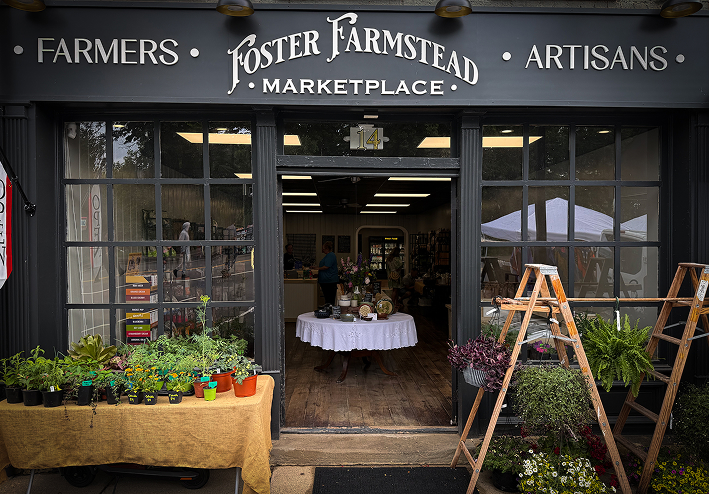
At Foster Farmstead Marketplace, one of our goals is to make better food more accessible to families in Chillicothe and the surrounding community. That means connecting people with local farmers, growers and makers, but it also means helping people figure out how to actually use those foods in everyday life.
The trick is not filling your cart with 20 trendy “superfoods.” It is building most of your meals around simple, nutrient-dense foods that can be used more than once.
Here are 20 great places to start.
1. Farm-Fresh Eggs
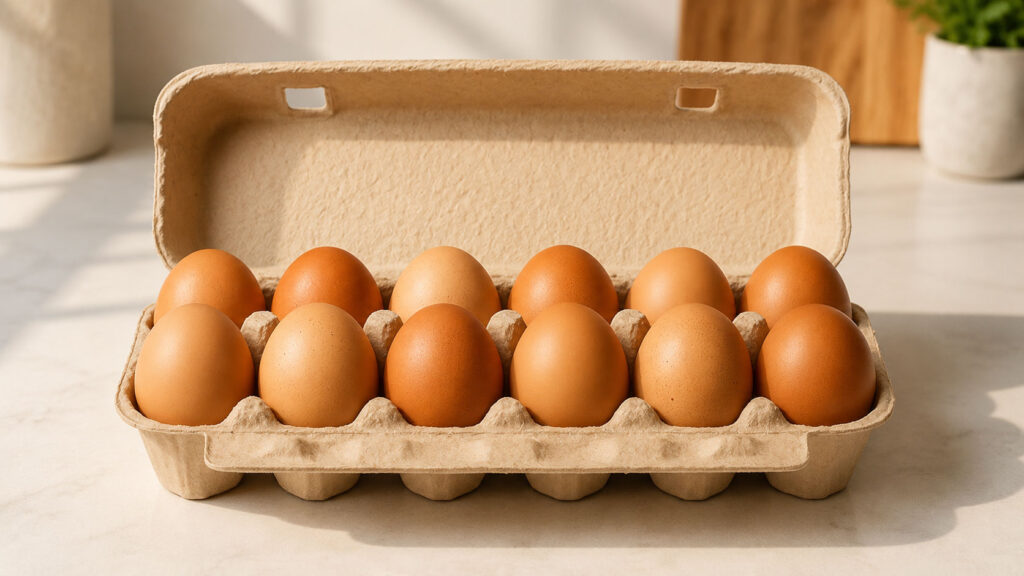
Few foods work harder for your grocery budget than eggs.
They’re packed with protein and nutrients like choline, and you can eat them for breakfast, lunch or dinner. Scramble them, fry them, hard-boil them for snacks, make an omelet, add them to a salad or turn leftover vegetables into a frittata.
A dozen eggs can become several meals for a family without much effort.
2. Organic Sweet Corn
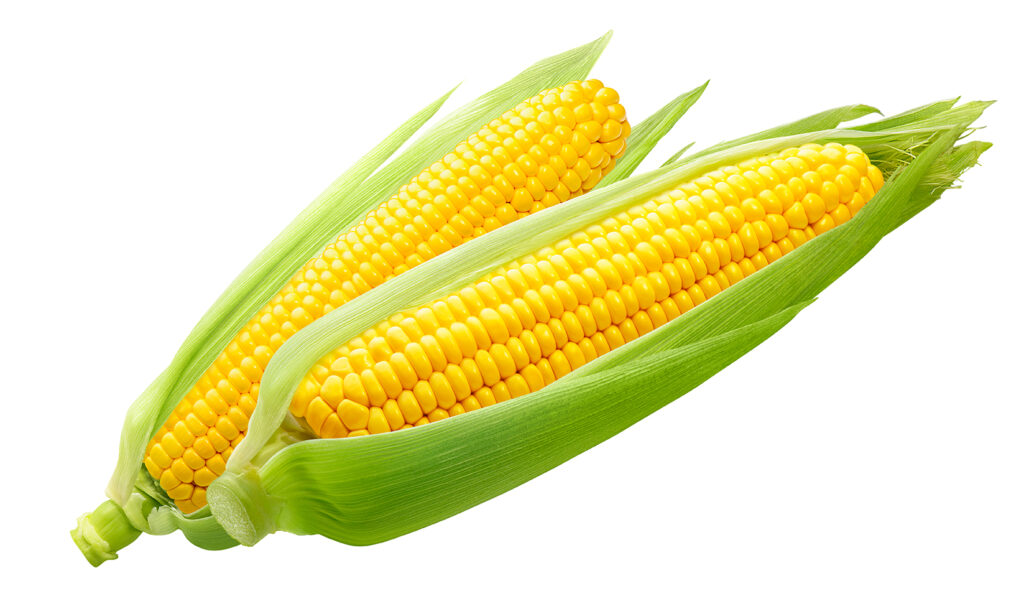
When sweet corn is in season, it is one of those simple foods that proves eating well does not have to be complicated.
Corn provides fiber, carbohydrates for energy and several important vitamins and minerals. Grill it, boil it, roast it or cut it from the cob and add it to salads, soups, tacos and skillet meals.
It is also inexpensive enough to feed the whole family without needing a calculator at the dinner table.
Shop organic sweet corn, here.
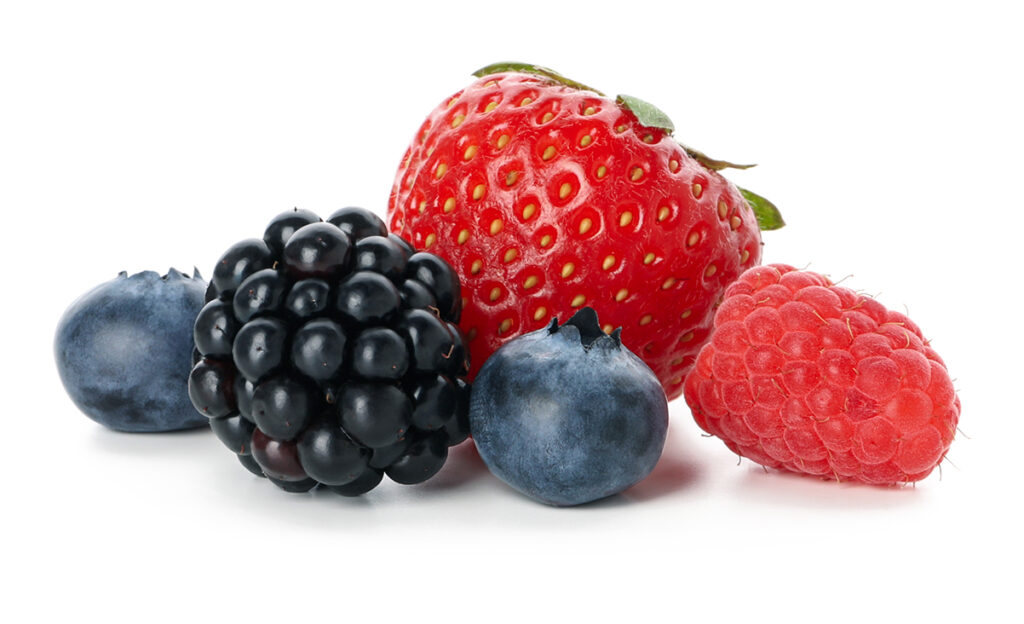
3. Fresh Fruit
Fresh fruit is one of the easiest ways to keep healthier food within reach.
Depending on the season, that might mean apples, peaches, berries, melons, grapes or other locally grown favorites. Fruit provides fiber, vitamins, minerals and natural sweetness without needing much preparation.
Eat it on its own, add it to yogurt or oatmeal, pack it in lunches or serve it alongside breakfast.
Buying fruit that is in season is also a great way to get better flavor and often better value.
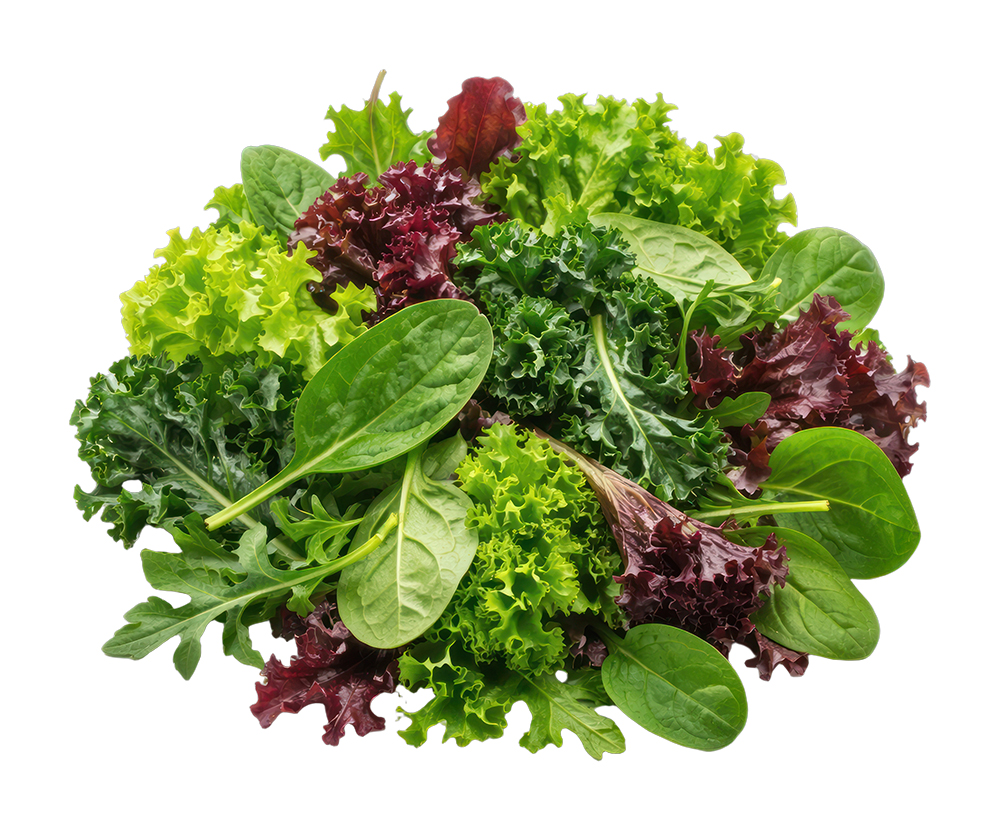
4. Lettuce and Salad Mix
A good bag or head of lettuce can go a lot further than people think.
Use it for salads, wraps, sandwiches, burgers or as a fresh base for leftover meat and vegetables. Salad greens provide vitamins, minerals and fiber while helping turn simple ingredients into a complete meal.
One of our favorite budget tricks is using leftovers over a bed of greens the next day.
Last night’s chicken suddenly becomes today’s lunch.
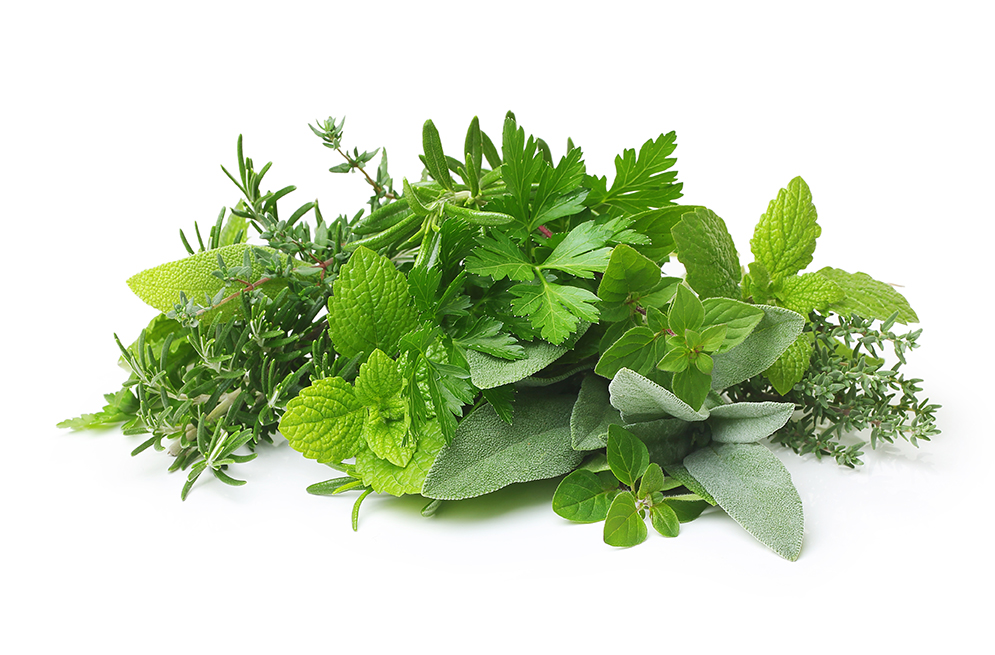
5. Fresh Herbs
Fresh herbs are one of the easiest ways to make inexpensive food taste like something you actually want to eat.
Parsley, cilantro, dill, basil, rosemary and other herbs can completely change a meal without adding much to the grocery bill.
Add them to eggs, chicken, roasted vegetables, soups, homemade dressings, rice or pasta.
Healthy food does not have to taste like punishment.
A handful of fresh herbs can help prove it.
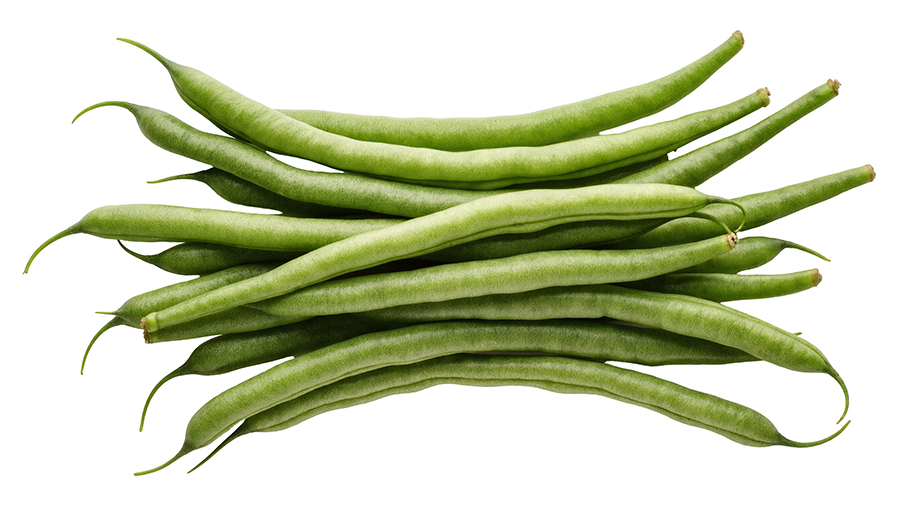
6. French Green Beans
Fresh green beans are simple, nutritious and easy to prepare.
They provide fiber and several important vitamins and work with just about anything. Roast them, sauté them with butter and garlic or throw them into a one-pan dinner.
Simple food usually makes some of the best food.
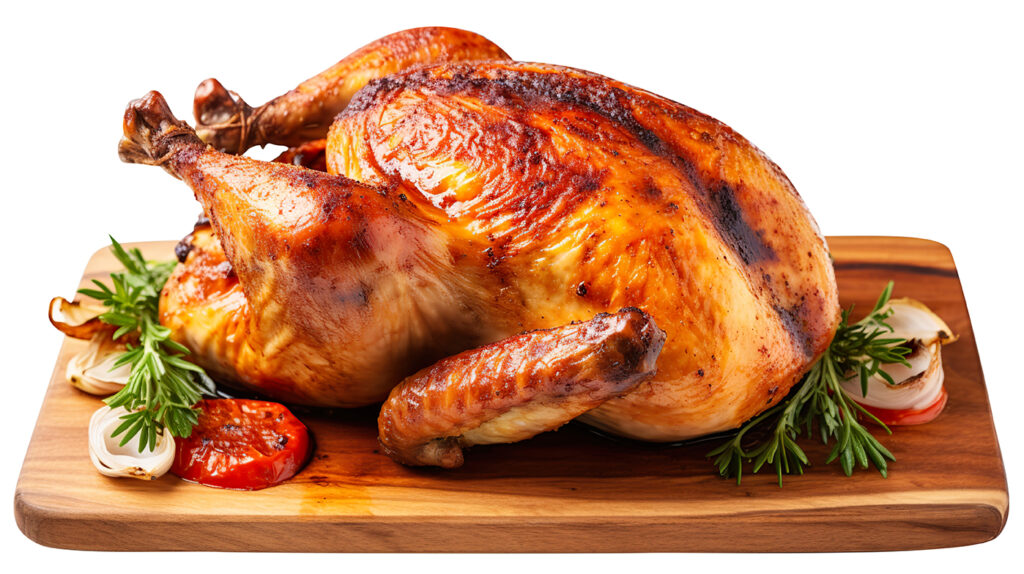
7. Pasture-Raised Whole Chicken
If you are trying to buy better-quality meat while watching your grocery budget, whole chickens deserve a serious look.
A whole pasture-raised chicken usually gives you much more food for your dollar than buying individual cuts.
Roast one for dinner and serve it with vegetables. Use the leftover meat for tacos, chicken salad, soup, sandwiches or a casserole the next day.
Then save the bones.
Add them to a pot with water, vegetables and herbs and make homemade chicken broth.
One chicken can turn into dinner, lunch, another dinner and a pot of broth.
That’s what we mean by getting more bang for your buck.
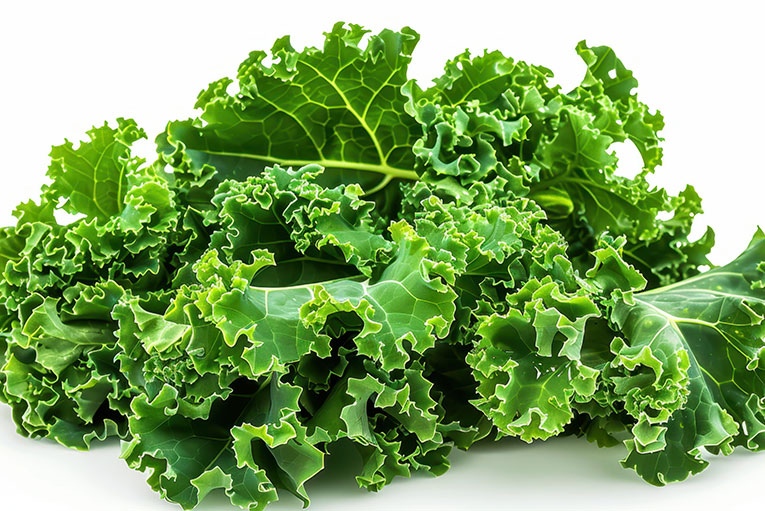
8. Kale
Kale is packed with vitamins and minerals, but you don’t need to turn it into a complicated health-food recipe.
Sauté it with a little garlic, toss it into soup, add it to eggs or bake it until crispy.
Pair it with meat, eggs or another protein and you have an inexpensive way to add a lot of nutrition to a meal.

9. Bulk Foods from Our Refillery
One of the easiest ways to save money is to stop paying for packaging you do not need.
Our refillery lets you buy many everyday staples in bulk, including flour, baking ingredients, herbs and spices, teas, wheat berries and more.
Buying in bulk gives you more control over how much you purchase. Need just a little of a certain spice for a recipe? Buy a little. Use flour every week? Stock up.
It can help reduce waste, save money and keep your pantry filled with simple ingredients you actually use.
We also carry all-natural soap in the refillery, giving you another way to cut down on unnecessary packaging while choosing a simpler household product.
Sometimes saving money is less about finding a “cheap” product and more about only paying for what you actually need.
Shop our refillery items, here.
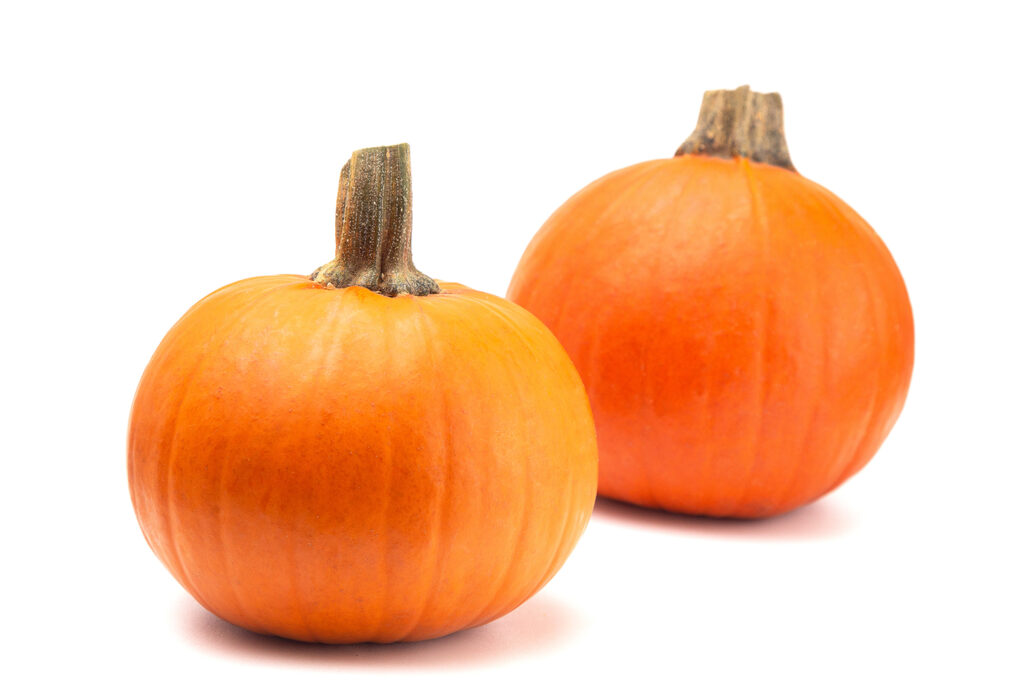
10. Pie Pumpkins
Yes, you can do a lot more with a pie pumpkin than make pie.
Roast one and use the flesh in soups, muffins, pancakes, oatmeal, smoothies or homemade pumpkin purée.
Pumpkin provides fiber, beta-carotene and other nutrients, and one pumpkin can go surprisingly far.
Although if some of it accidentally becomes pie, we aren’t going to judge.
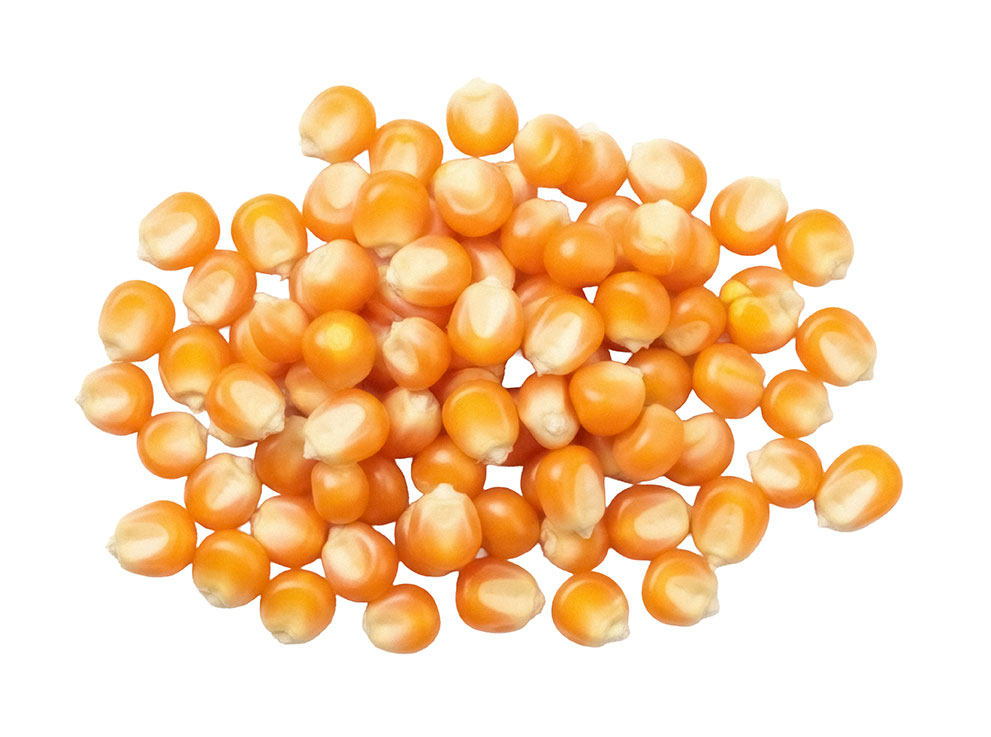
11. Yellow Popcorn
Popcorn might be one of the most underrated budget-friendly whole foods in the store.
Pop it yourself and you control what goes on it. Keep it simple with butter and salt or experiment with herbs and seasonings.
It’s a whole grain, provides fiber and makes an inexpensive snack compared with many packaged snack foods.
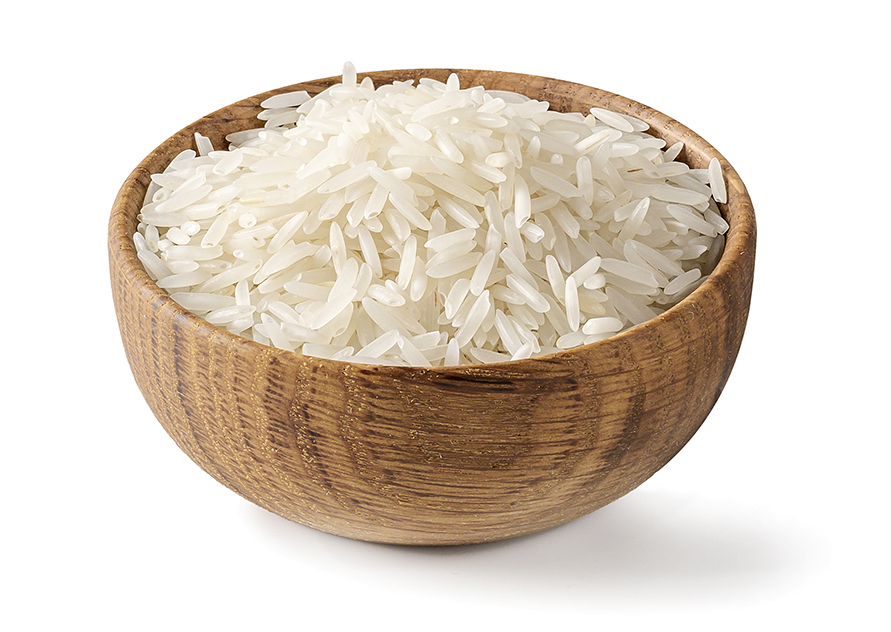
12. Rice
There is a reason rice has been a household staple around the world for generations.
It is affordable, filling and incredibly versatile.
Use it alongside meat and vegetables, underneath stir-fries, in soups, bowls, casseroles and meal-prep lunches.
One bag can become a whole lot of dinners.
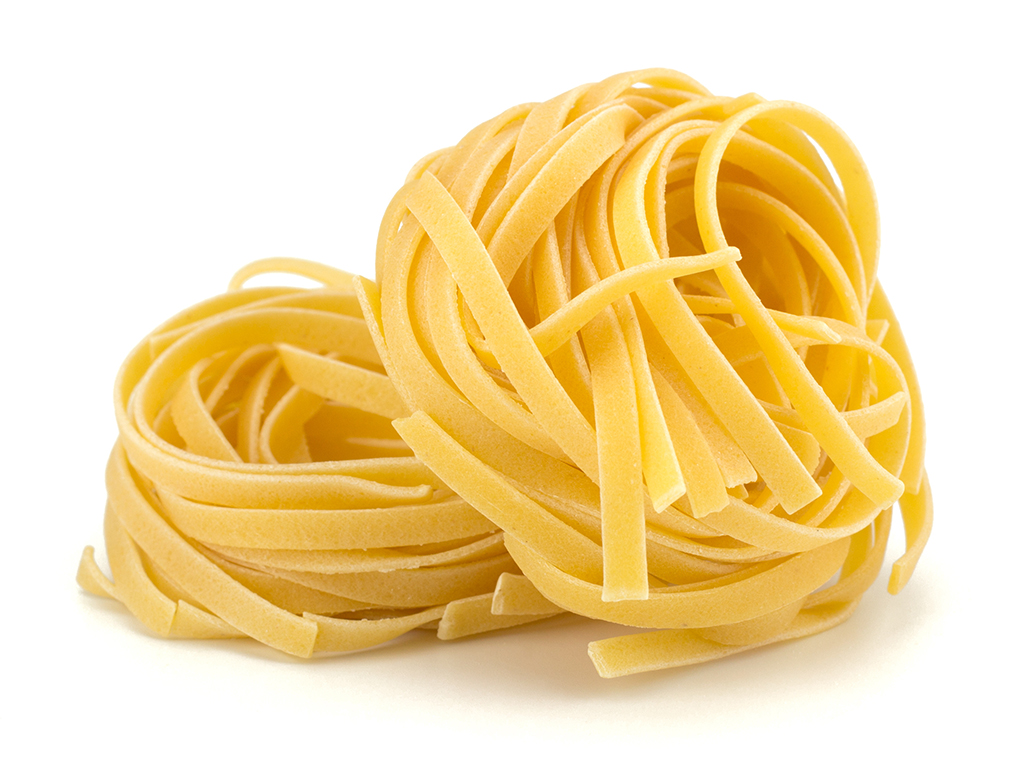
13. Pasta
Pasta is another pantry staple that can make feeding a family much easier.
Our Tri-Color Rotini, for example, can become pasta salad, a quick dinner with pesto, a side dish or part of a larger meal with vegetables and protein.
The budget trick is to think of pasta as part of the meal rather than the entire meal. Add vegetables, quality meat, cheese or another protein and make that bowl work harder.
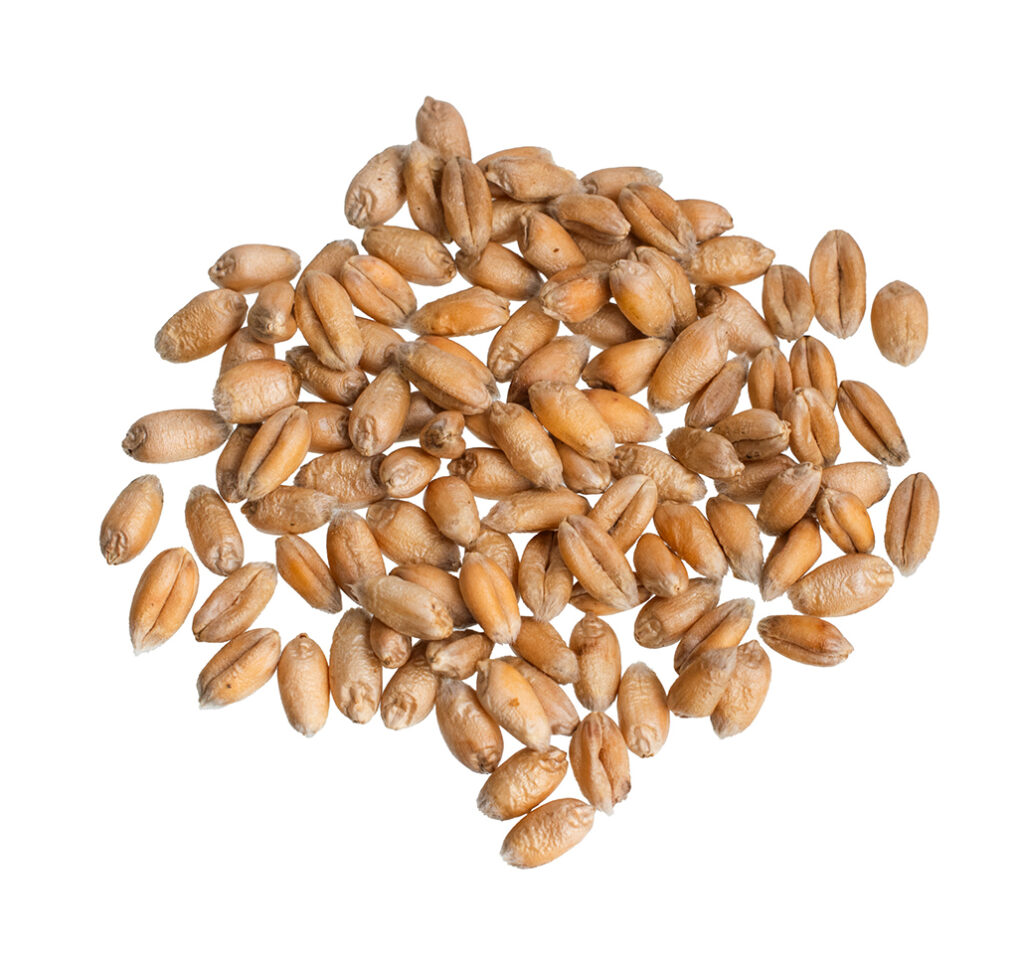
14. Wheat Berries
Wheat berries are one of those old-fashioned pantry staples that deserve a comeback.
They are the whole, unprocessed wheat kernel, which means they provide fiber, protein and important nutrients while being incredibly filling.
Cook them and use them in grain bowls, salads, soups, breakfast bowls or as a hearty side dish instead of rice.
Because they are sold in our refillery, you can buy exactly the amount you need instead of paying for extra packaging.
Simple, filling, versatile and affordable. That’s a pretty good combination.
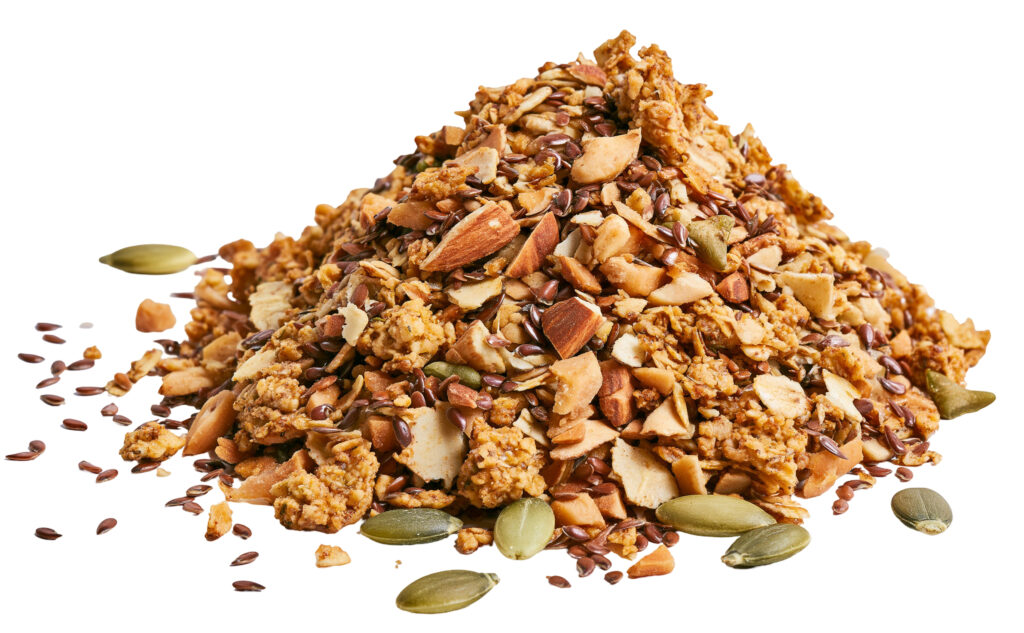
15. Pumpkin Flax
Seeds are one of those foods where you don’t need a huge serving to add nutrition.
Pumpkin and flax provide healthy fats, fiber and plant-based nutrients. Sprinkle them onto yogurt, oatmeal, salads or other meals.
Buying nutrient-dense foods that can be used a tablespoon or two at a time is another smart way to stretch your grocery budget.
Shop organic pumpkin flax granola, here.
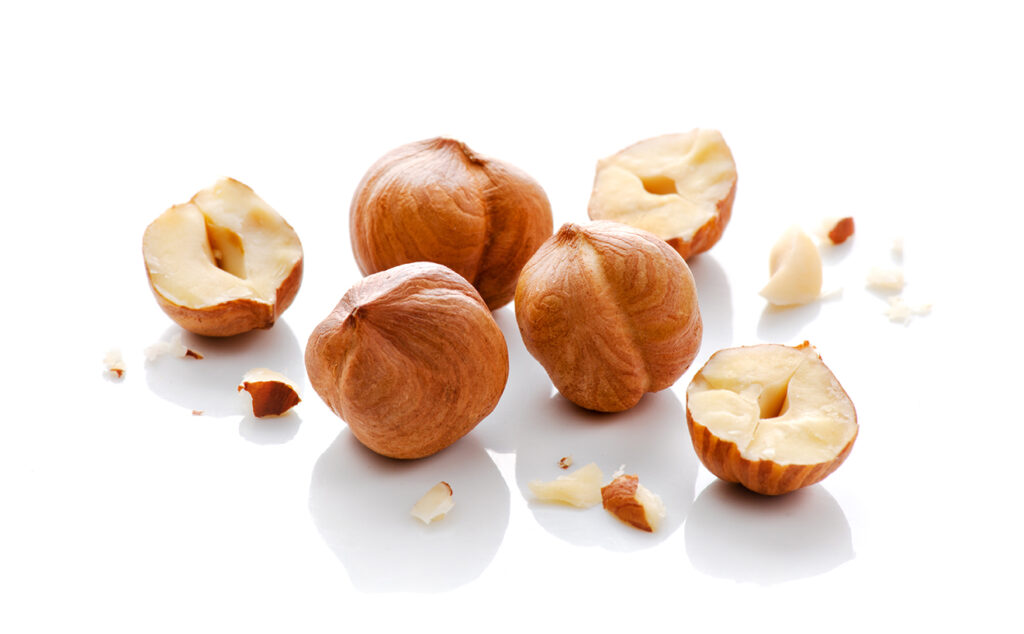
16. Dry Roasted Hazelnuts
Nuts can seem expensive when you look at the price per pound, but portion size matters.
A small handful of hazelnuts provides healthy fats, fiber and protein and can make a snack much more satisfying.
Add them to yogurt, oatmeal, salads or homemade trail mix rather than eating half the bag while standing in the kitchen.
Not that any of us have ever done that.
Shop dry roasted hazelnuts, here.

17. Whole Milk
Quality dairy can deliver a lot of nutrition in one purchase.
Whole milk provides protein, calcium, fat and other important nutrients and can be used for drinking, cooking, baking, smoothies and breakfast.
For families that use dairy regularly, milk can be one of the more versatile foods in the refrigerator.

18. Ground Beef
When you want quality meat without buying premium steaks every night, ground beef is hard to beat.
Use it for burgers, meatballs, taco bowls, chili, soups, casseroles and skillet meals.
The biggest budget strategy is stretching the meat with vegetables, rice or other whole-food ingredients. A pound of ground beef does not have to equal four hamburgers. It can become an entire pot of chili or a big skillet dinner that feeds the family.
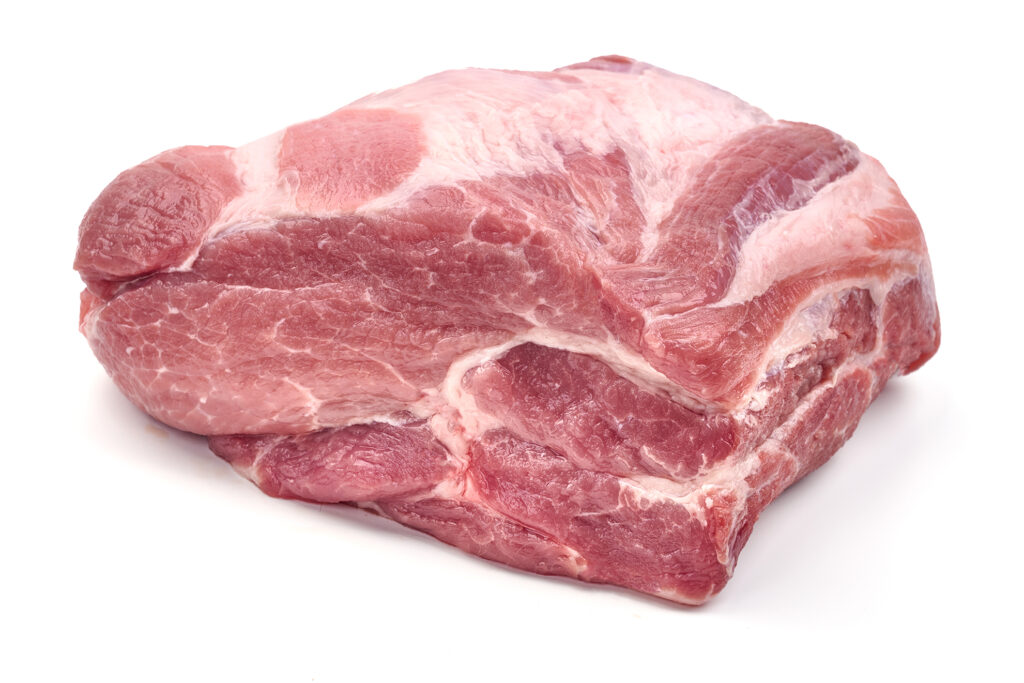
19. Pork Shoulder
Pork shoulder is one of our favorite examples of buying meat with the total number of meals in mind.
Slow cook it and you can use the meat for dinner the first night, then tacos, sandwiches, breakfast bowls or another meal later in the week.
A larger cut may cost more at checkout, but when it becomes several meals, the cost per serving starts looking a whole lot better.
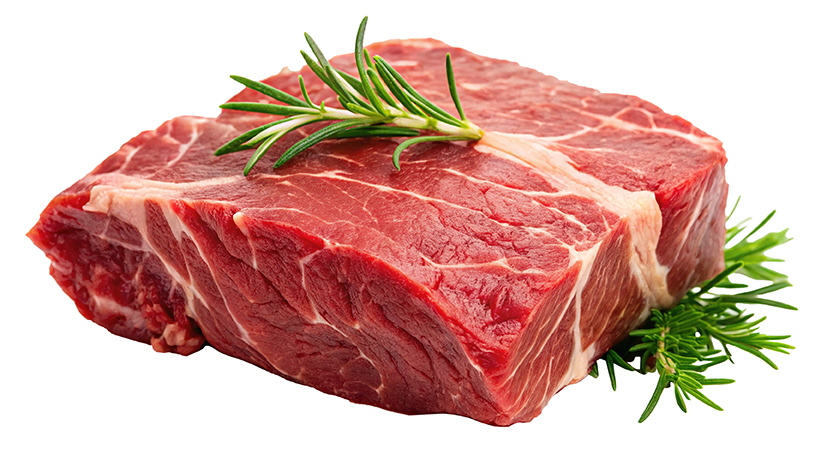
20. Chuck Roast
Chuck roast works the same way.
Slow cook it with vegetables and you have a hearty dinner. Use the leftovers for sandwiches, beef bowls, tacos or soup.
Shopping on a budget sometimes means looking past the sticker price and asking a better question:
How many meals can I get out of this?
That question can completely change the way you shop.
Healthy Eating Doesn’t Have to Be Complicated
If you’re trying to eat better on a budget, start simple.
Build meals around eggs, seasonal produce, whole chickens, grains, pantry staples and value cuts of meat. Buy foods you can use in several different meals. Shop seasonal produce when possible. Take advantage of the refillery so you can buy the amount you actually need. And don’t assume the most expensive product in the health-food aisle is automatically the healthiest thing you can buy.
Sometimes the best foods are the ones our grandparents would immediately recognize.
At Foster Farmstead Marketplace, we’re working to make it easier for Chillicothe families to know where their food comes from, discover better ingredients and support the farmers, growers, artisans and small businesses in our community at the same time.
You don’t have to change everything in your kitchen overnight.
Start with a few things.
Swap one highly processed snack for popcorn. Roast a whole chicken instead of buying several packages of individual cuts. Add another seasonal vegetable to dinner. Fill a jar with flour, herbs or spices from the refillery instead of buying another package. Make a pot of soup instead of buying individual meals. Cook a pork shoulder and turn it into three dinners. Buy good eggs. Try something grown by a farmer right here in our area.
Those little choices add up.
And when more of us choose to spend our grocery dollars with local farms, growers and small businesses, those dollars add up too.
Shop Smarter. Eat Better. Keep It Local.
Eating healthier does not have to mean doubling your grocery bill.
Sometimes it simply means buying better ingredients, choosing foods that stretch across several meals, buying only the amount you need and getting back to the basics.
Stop by Foster Farmstead Marketplace in downtown Chillicothe and see what is available, or shop our online store and place your order ahead of time for pickup.
Our produce selection changes with the seasons, and our shelves and refillery are always worth exploring. There is almost always something new to discover.
Come see us, shop local and let’s make eating well a little simpler.
And maybe a little less expensive than that mountain-monk granola.